


01
Automotive and auto parts (Tier 1 and Tier 2)
The challenge: Thousands of constantly changing part numbers, strict USMCA rules of origin, and heavy use of Regla Octava permits for assembly lines.
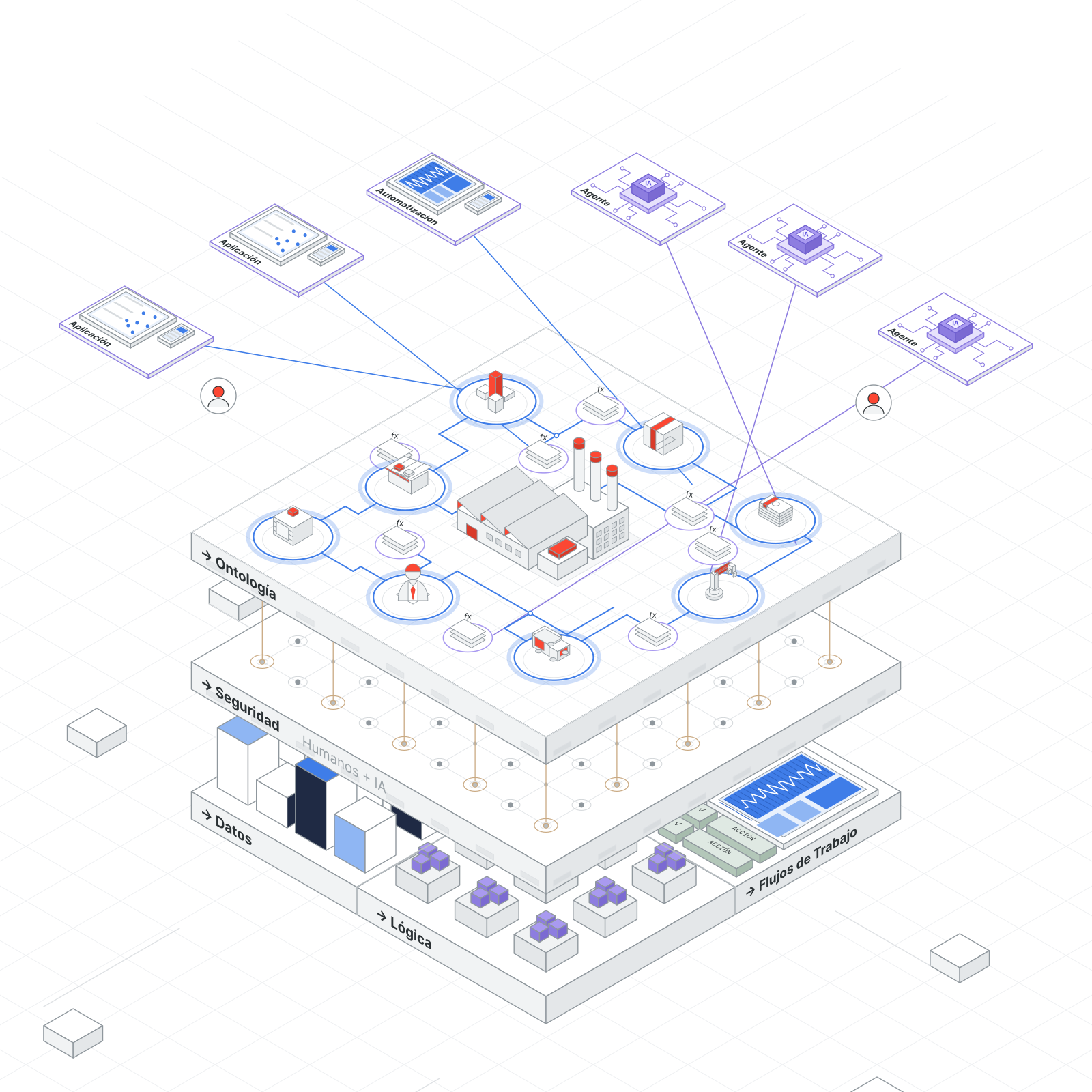
One platform: the client’s data, a model of their operation, and the products that run on top of it.
See our product and our first case study: how a plant went from data scattered across five systems to a model of its operation with agents running on top.
A manufacturing plant in Mexico moves USD 1 billion in raw materials over 6 years of import and export operations.
It has a trade compliance and import-export team, plus outside advisors, but its information is scattered across an ERP, a couple of legacy systems, and several spreadsheets. At that volume, cross-checking data by hand leaves room for errors nobody catches in time.
We stepped in to fix that. In one plant, against a single regulation, we identified MXN $30+ million in taxes that could be optimized, and MXN $100+ million in exposure and rework that are now visible and under control.
A manufacturing plant in Mexico runs an indirect procurement team that handles roughly 3,000 RFQs a year, coming from 13 plants across the group.
They run SAP and, for day-to-day purchasing, complement it with Monday, a forms-and-tasks platform that costs USD 10K in the first year, and USD 7K every year after.
Both the procurement and operations teams pull data from SAP and work it in Excel to track the process: the effort is high and the outcome depends on each person.
In practice, it was hard to see the lead times and savings buyers achieved in each negotiation, and much of the team’s time went into consolidating information.
Until today: we built them their own Procurement Hub.
The importer bears joint liability: if the customs broker makes a mistake, the company is who answers to the SAT.
441 programs suspended in 2026 for not filing the RAOCE. There were 335 in 2023. The curve rises every year.
Connects ERP, legacy systems, and spreadsheets. Models how the business runs and what each piece of data means.
Runs agents inside the client’s infrastructure: private, without exposing their data, and without depending on any specific model provider.
The first vertical: compliance and traceability under the IMMEX regime. Flags issues before you pay, not after the fine.
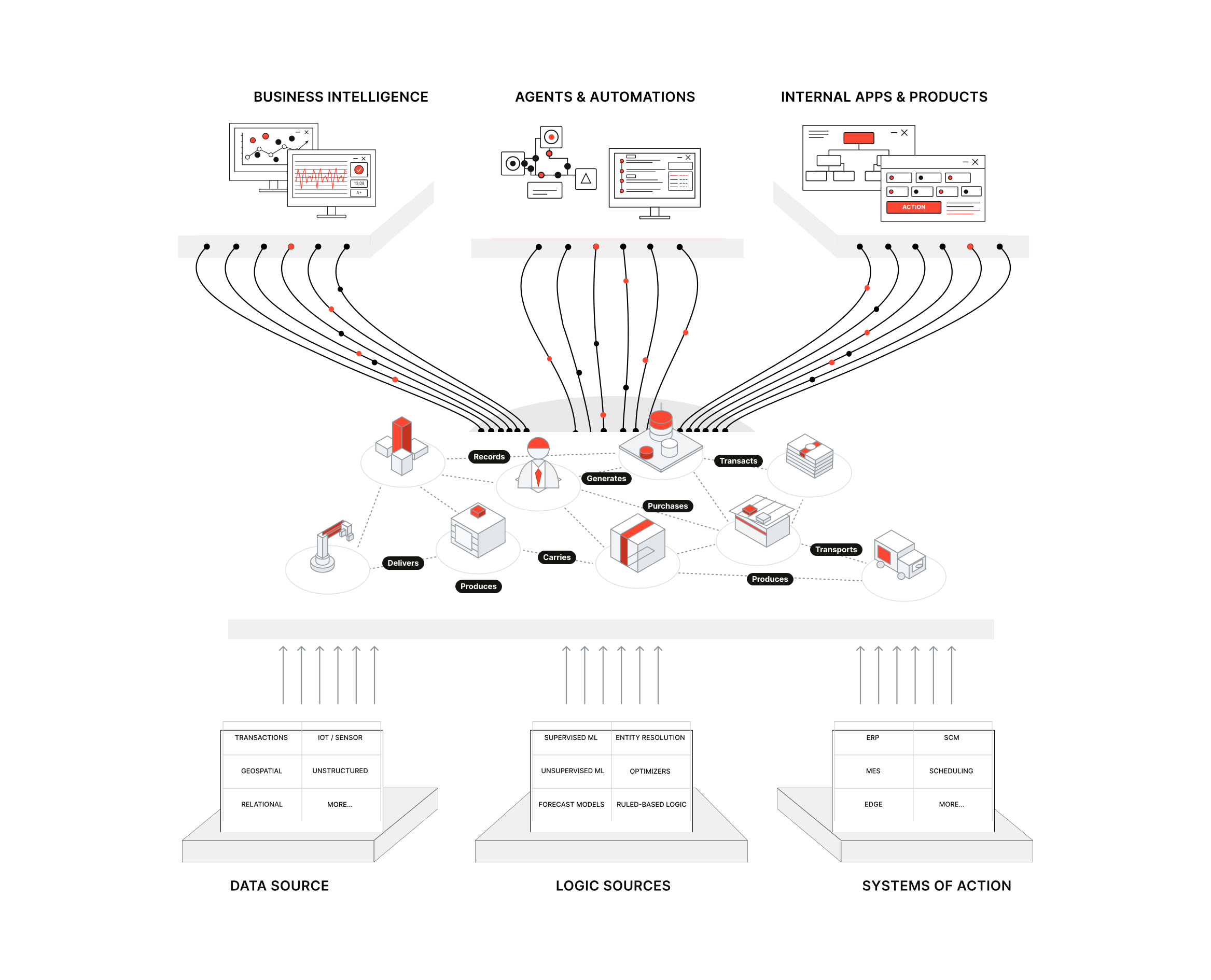
The systems the client already has. Nothing gets migrated; they just connect.
The ontology is built once and shared by every product.
Each new product is one more layer, not a new project: under two weeks.
One plant, one regulation, six years of historical data.
We provision dedicated AI infrastructure for your operation: models, agents, and the ontology live on your servers or in your private cloud. No outside provider sees your ERP, your customs filings, or your prices.
Models run on hardware you control. Not a single prompt, document, or database row travels to a third-party API.
Phoson deploys isolated inside your network. No outbound internet access by default: what enters the system stays in the system.
Each agent sees only what its role allows. Permissions by person, by plant, and by process, over the same ontology.
Every decision an agent makes gets logged: what data it read, what it did, and why. Auditable by your team, not by us.
Not every plant operates the same way. Vora TradeOS comes tuned for the specific demands of the country’s key industrial sectors.
The challenge: Thousands of constantly changing part numbers, strict USMCA rules of origin, and heavy use of Regla Octava permits for assembly lines.
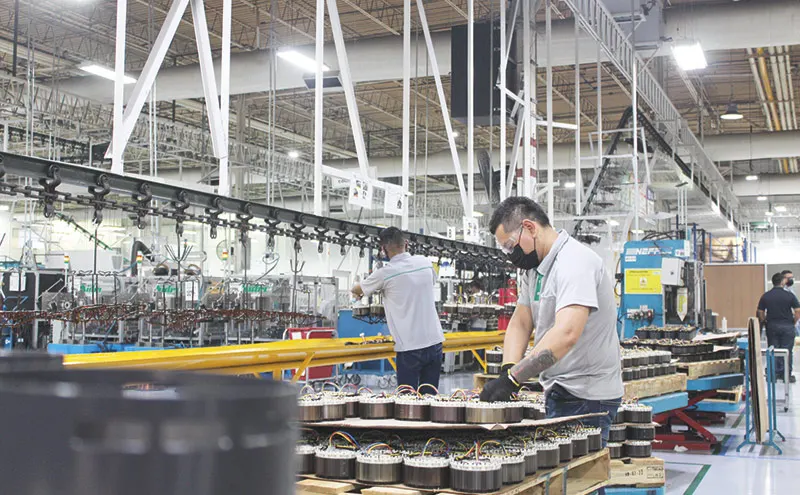
The challenge: Multiple plants using components brought in from Asia or Europe outside of free-trade agreements, with steep tariffs if the prior permit fails.
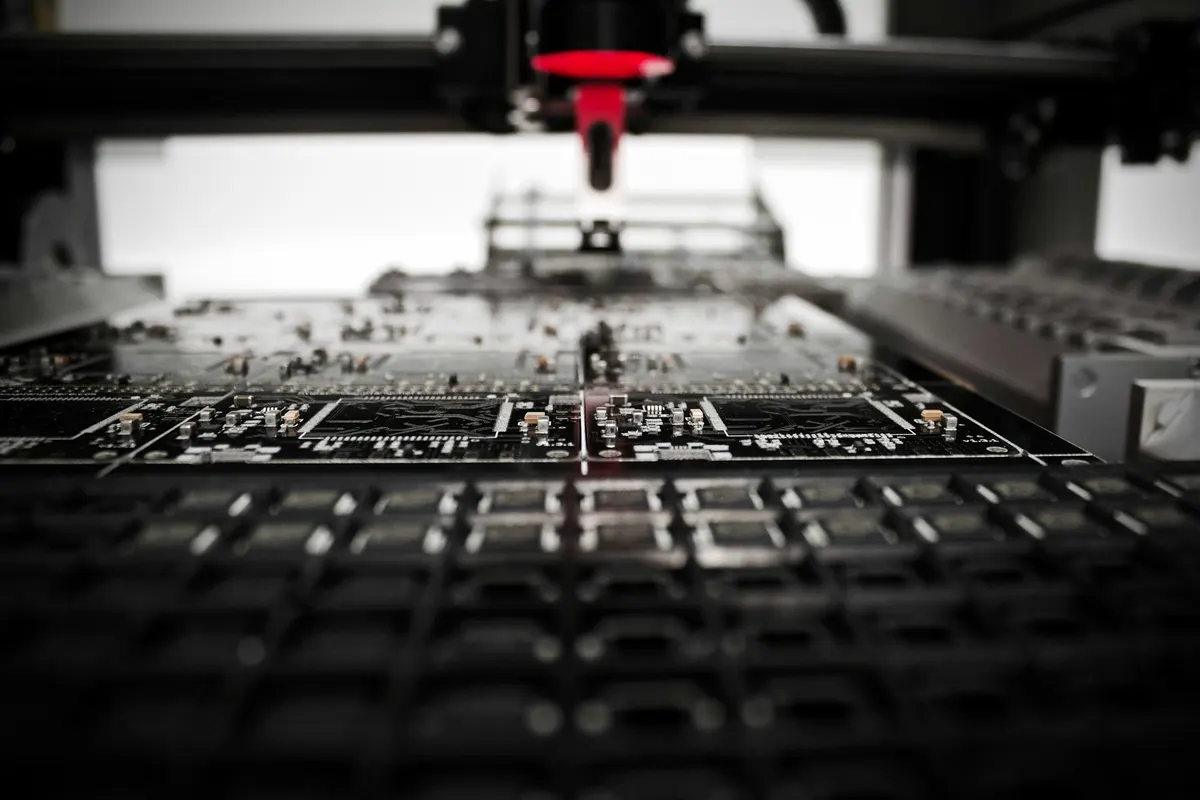
The challenge: Extremely high turnover of temporary inventory, daily import/export operations, and the risk of IMMEX permanence deadlines expiring.

The challenge: Zero tolerance for errors on customs declarations, part-by-part auditable traceability, and frequent SAT audits.
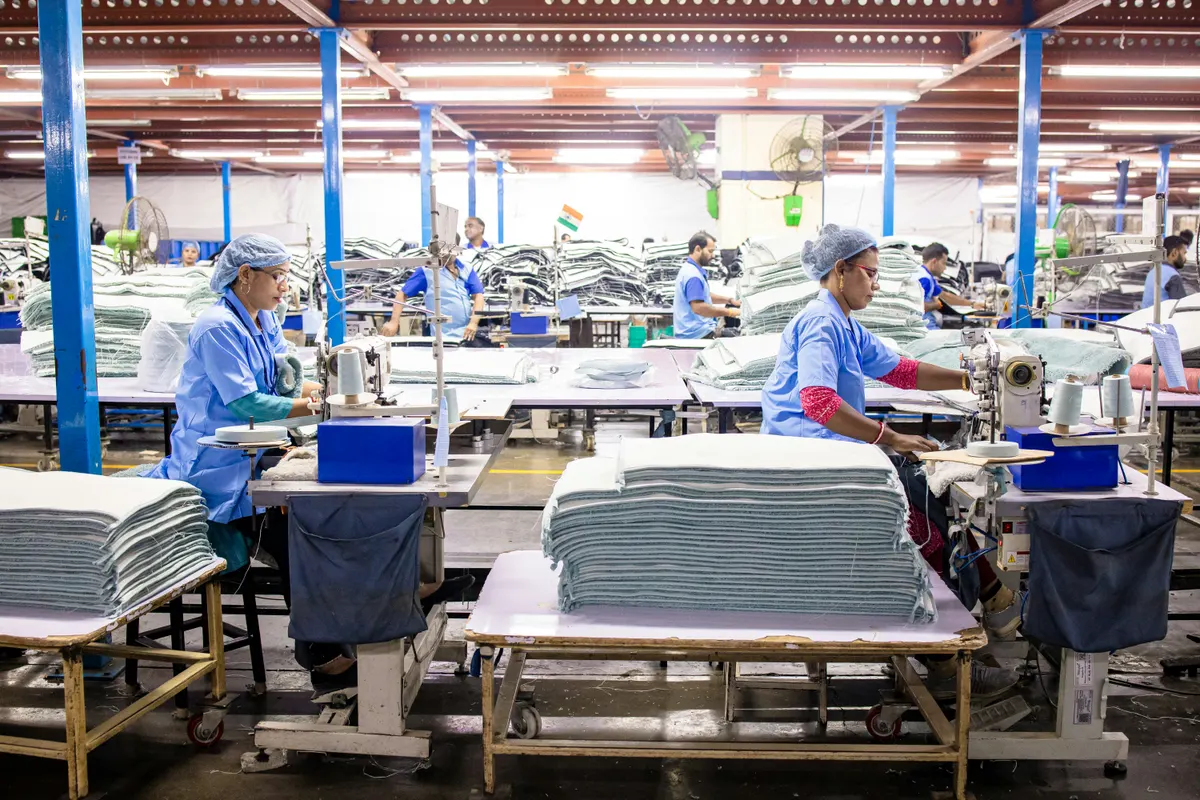
The challenge: High risk of suspension from the Sectoral Importers Registry (Sector 11), steep tariffs (15% to 25%) on inputs from countries without a free-trade agreement, and intense SAT scrutiny of waste, fabric cuts, and scrap under IMMEX.
Write to us and we’ll tell you, using your own data, where the risk is and what can be built on top of it.
Emailhola@voragroup.mxWe reply during business hours. We don’t share your data with anyone.